

What happens when a digital sanctuary for free expression abruptly shuts out one of its most vibrant communities? That’s the question at the heart of the Tumblr NSFW ban, a decision that reshaped the platform and alienated a huge portion of its user base.
For millions of users, Tumblr was more than just a social site—it was a rare corner of the internet where creativity, identity exploration, and yes, sexuality could coexist without judgment. Since its launch in 2005, this pioneering microblogging platform carved out a unique space in the social media world. Unlike its more polished competitors, Tumblr embraced the weird, the niche, and the explicit. Artists shared fanart. Activists organized movements. LGBTQ+ communities found safe harbor. Sex-positive creators built loyal audiences.
Then came December 2018.
The Tumblr NSFW ban arrived like a digital earthquake, banning adult content across the platform with sweeping, often clumsy automation. What followed wasn’t just a policy change—it was a cultural rupture. The Tumblr adult content ban triggered a massive Tumblr user exodus, with roughly 30% of traffic evaporating almost overnight. Communities scattered to the winds, seeking new homes on Twitter, Pillowfort, and other platforms.
The Tumblr decline that followed tells a bigger story about internet culture itself: what happens when corporate interests collide with online communities, when app store policies reshape entire platforms, and when the spaces we build together can vanish with a single policy update.
The Rise of Tumblr: A Haven for Progressive and Adult Content
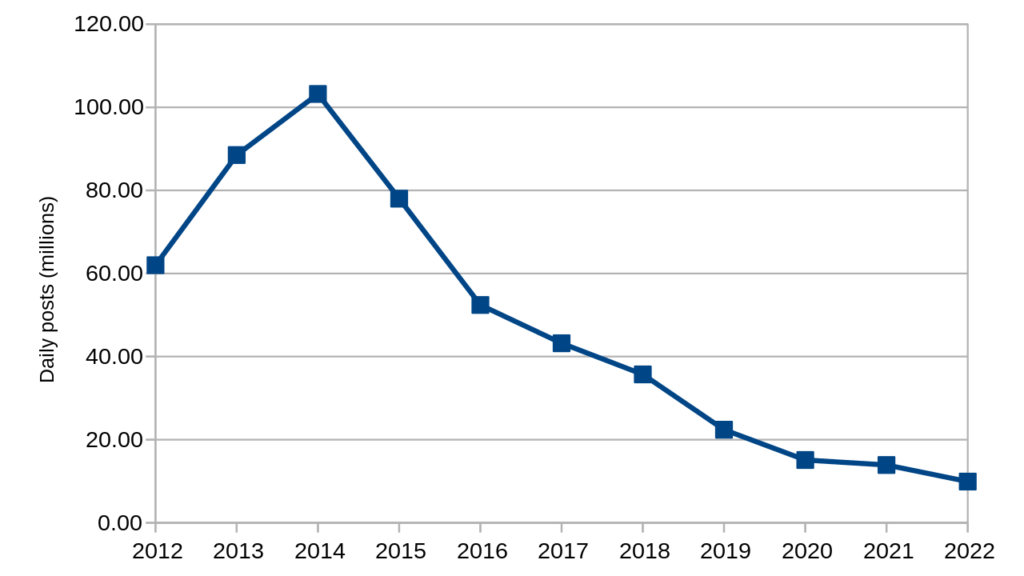
When David Karp launched Tumblr in 2005, he created something the internet desperately needed: a space where creativity didn’t come with a content warning label. The platform’s DNA was different from the start—part blog, part social network, all chaos in the best possible way. By early 2014, Tumblr had exploded to over 100 million users, becoming a digital ecosystem where fanartists, activists, photographers, and writers built thriving communities around shared passions.

A Space for Open Conversations
The platform became legendary for hosting conversations that other sites wouldn’t touch. Progressive communities flourished here, discussing everything from mental health and body positivity to LGBTQ+ identity exploration and sexual liberation. Tumblr microblogging culture embraced nuance in ways that Facebook’s real-name policy and Twitter’s character limits couldn’t accommodate. Users could curate their experiences through tags, reblogs, and an algorithmic-free dashboard that prioritized chronological feeds over engagement metrics.
Challenges Along the Way
However, it’s important to note that the rise of Tumblr wasn’t without its challenges. As seen with other platforms like LiveJournal, which cracked down on explicit content in 2007, there have been several instances in the digital landscape where communities have been displaced due to stringent policies. In such scenarios, platforms like Tumblr became natural refuges for these displaced communities.
Adult Content as Part of Tumblr’s Identity
Adult content on Tumblr wasn’t just tolerated—it was woven into the platform’s identity. The permissive stance attracted sex workers, erotica writers, and anyone seeking a judgment-free zone for sexual expression. The numbers tell a fascinating story: while less than 1% of users actively created NSFW content, nearly a quarter of the entire user base consumed it regularly. This statistic reveals something crucial about Tumblr’s ecosystem—adult content wasn’t a niche interest but a cornerstone of user engagement that kept millions returning to their dashboards daily.
Coexistence of Different Content Types
The platform had built something rare: a digital space where “safe for work” and “not safe for work” coexisted without moral panic. This unique blend of content types also made Tumblr a welcoming space for niche communities, allowing users to explore diverse interests without fear of judgment or censorship. As we reflect on the evolution of social media, it’s clear that the old internet was vastly different from what we see today. Before TikTok and Twitter, platforms like Tumblr thrived by offering users freedom of expression in ways that were previously unimaginable.
The Tumultuous Turn: Apple’s App Store Removal and the 2018 NSFW Ban
In November 2018, Tumblr faced a crisis that would fundamentally reshape its identity. Apple removed the Tumblr app from its App Store after discovering child sexual abuse material on the platform—a discovery that sent shockwaves through both the company and its user base. The Verge reported that this removal wasn’t just a temporary setback; it was a corporate emergency that demanded immediate action. For a mobile-first generation of users, losing iOS access meant losing a significant portion of the platform’s reach.
The Pressure from Apple
The pressure from Apple’s gatekeeping power left Tumblr’s leadership with what they perceived as no choice. On December 3, 2018, the platform announced a sweeping adult content policy change that would take effect two weeks later. The Tumblr ban 2018 targeted what the company called “adult content,” defining it as any visual depictions of genitalia, sex acts, or female-presenting nipples—a phrase that would become infamous for its vagueness and gendered implications.
The Confusing Gray Areas
The Tumblr NSFW ban wasn’t entirely clear-cut; the gray areas only added to the confusion:
- Written erotica remained perfectly acceptable—words could describe what images could no longer show
- Artistic nudity got a pass, though the algorithm tasked with distinguishing classical art from pornography proved spectacularly unreliable
- Gender-confirmation surgery photos were explicitly protected, acknowledging the medical and identity-affirming nature of such content
These exceptions revealed Tumblr’s attempt to thread an impossible needle: satisfy Apple’s content requirements while preserving some semblance of the platform’s progressive values. The policy tried to separate “artistic expression” from “explicit content,” but this distinction would prove nearly impossible to enforce consistently. Users quickly discovered that the automated flagging system couldn’t tell the difference between a Renaissance painting and a selfie, between educational anatomy diagrams and pornography.
Community Backlash and the User Exodus That Followed
The announcement hit like a digital earthquake. Within hours of Tumblr’s December 3, 2018 policy reveal, the platform’s dashboard flooded with protest posts, farewell messages, and furious commentary. Users launched petitions demanding reversal of the adult content ban—one Change.org petition alone gathered over 170,000 signatures. Artists, sex workers, LGBTQ+ creators, and everyday users who valued Tumblr’s sex-positive environment felt betrayed by a platform that had once championed their freedom of expression.
The community backlash manifested in creative acts of defiance. Users coordinated mass log-offs, deliberately posting content that would trigger the automated filters (including photos of sand dunes and raw chicken that the algorithm hilariously flagged as explicit), and flooded the platform with memes mocking the policy. The hashtag #TumblrPurge trended as users documented their migration plans and shared alternative platform recommendations.
The Tumblr user exodus became one of the most significant digital migrations in social media history. Pillowfort, a small invite-only platform, saw its waitlist explode to over 30,000 people overnight. Twitter experienced an influx of artists and creators establishing new homes for their work. Instagram and Facebook, despite their own content restrictions, attracted users seeking larger audiences. Even niche platforms like Newgrounds and DeviantArt saw renewed interest from displaced Tumblr communities.
The numbers told a devastating story. Traffic analytics revealed an estimated 30% drop in Tumblr visits following the NSFW ban implementation. By March 2019, the platform had lost approximately 150 million pageviews—a hemorrhaging of engagement that would prove nearly impossible to reverse. The impact of NSFW ban extended beyond mere statistics; entire creative communities, support networks, and cultural movements scattered across the internet, never to fully reconvene.
The Decline of Tumblr Beyond the Ban: Ownership Changes and Platform Challenges
The NSFW ban didn’t happen in isolation—it was the result of years of poor management and confusion about its identity. Tumblr’s ownership story serves as a warning about what happens when companies fail to understand the communities they take over.
Corporate Ownership and the Slow Unraveling of Tumblr
Yahoo purchased Tumblr in 2013 for a staggering $1.1 billion, promising founder David Karp they wouldn’t “screw it up.” They screwed it up. The tech giant immediately began injecting intrusive advertisements into user dashboards, disrupting the clean aesthetic that made Tumblr feel different from cluttered social media competitors. Stricter content moderation policies crept in gradually, testing the waters for what would eventually become the total adult content purge.
When Verizon absorbed Yahoo (and Tumblr along with it) through its Oath Media division, things got worse. The platform became just another asset in a massive corporate portfolio, stripped of the quirky independence that defined its early years. By the time Automattic—the company behind WordPress—acquired Tumblr in 2019 for less than $3 million (a 99.7% value drop), the damage was done.
Automattic faced an uphill battle:
- Monetization remained nearly impossible due to advertiser reluctance around Tumblr’s reputation for explicit content
- Technical debt accumulated over years of neglect left the platform feeling outdated
- Leadership turnover meant no consistent vision for revival
- Algorithm-driven competitors like TikTok offered the discovery features Tumblr’s chronological feed couldn’t match
The platform that once boasted over 100 million active users found itself losing relevance, unable to attract new audiences while simultaneously alienating the loyal community that built its cultural significance. This situation reflects a broader trend seen in social media platforms like Twitter, where ownership changes and mismanagement have led to similar challenges.
Moreover, these challenges are not just limited to monetization and technical issues. The rise of algorithm-driven platforms has fundamentally changed how content is discovered and consumed online. As such, Tumblr’s struggle serves as a critical case study in understanding the complexities of digital platform management and community engagement.
How the NSFW Ban Reshaped Internet Culture and Microblogging Platforms
The 2018 NSFW ban didn’t just scatter Tumblr users—it fractured an entire ecosystem. Communities that once thrived in a single digital neighborhood suddenly found themselves homeless, splitting across Twitter threads, Discord servers, Reddit forums, and niche platforms like Newgrounds and Pillowfort. Sex workers who’d built followings and client bases on Tumblr scrambled to rebuild elsewhere. Fan artists who created adult content lost their audiences overnight. The queer community, which had found rare sanctuary in Tumblr’s anonymous corners for exploring sexuality and identity, watched their safe space evaporate.
This mass exodus fundamentally changed Tumblr microblogging culture and triggered wider internet culture shifts across platforms. The ban became a warning about the fragile nature of online communities built on corporate-owned platforms. It sparked urgent conversations about who controls digital spaces and whose expression matters. The social media migration that followed demonstrated how content policies can reshape the entire landscape of online discourse—not just on one platform, but across the internet.
The conflict between freedom and moderation became impossible to ignore. Platforms like Twitter and Reddit watched nervously as they inherited Tumblr’s displaced communities, grappling with their own content policies. According to Pew Research Center data, Americans remained deeply divided on how social media companies should handle offensive content, with no clear consensus on where to draw lines.
Yet something unexpected happened: Gen Z discovered Tumblr’s ruins and fell in love. These digital archaeologists, drawn by nostalgia for an internet they barely remembered, found appeal in Tumblr’s chronological feeds and absence of algorithmic manipulation. They craved authenticity that felt increasingly rare on TikTok and Instagram. The platform’s creative chaos—its weird humor, passionate fandoms, and earnest vulnerability—offered refuge from the performative polish dominating modern social media.
Conclusion
The Tumblr NSFW ban serves as a warning about what happens when platforms prioritize corporate acceptance over community identity. The adult content ban on Tumblr in 2018 didn’t just get rid of explicit material—it destroyed an entire ecosystem where marginalized voices found safety and creative expression thrived without judgment.
The decline of Tumblr and the subsequent mass departure of its users revealed a fundamental truth: digital communities aren’t just groups of users scrolling through feeds. They’re living cultures built on trust, shared values, and the promise of safe spaces. When that promise is broken, people don’t just leave—they take their creativity, conversations, and sense of belonging to other places.
So what happens when a digital refuge shuts its doors to one of its most vibrant communities? The answer can be seen in empty dashboards and abandoned blogs: those communities don’t vanish. They spread out, adapt, and rebuild. But something irreplaceable is lost in the process—a reminder that platform governance isn’t just about moderating content. It’s about recognizing that freedom and safety aren’t opposing forces to be balanced, but rather two foundations that must be protected simultaneously.