


Internet urban legends are the ghost stories of the digital age. Unlike traditional urban legends passed around campfires, these tales multiply at lightning speed through social media, forums, and messaging apps. They’re the unverified yet compelling narratives that seem just plausible enough to make us wonder: “What if?”
But what sets them apart from other viral content? Let’s dissect the anatomy of these digital myths:
- Memes capture moments and morph through remixes
- Creepypasta are deliberately crafted horror fiction
- Hoaxes intentionally deceive for specific gains
- Urban Legends emerge organically and evolve naturally
The secret ingredient? Relatability. The best internet legends tap into universal experiences and fears. That strange pop-up you once saw, the weird glitch in your favorite game, the unsettling photo that disappeared when you tried to show someone else—these personal touches make legends feel real and urgent to share.
The most powerful internet legends have three key elements:
- Ambiguous origins – No clear source means endless speculation
- Personal connection – “This happened to my friend’s cousin…”
- Viral potential – Easy to share, hard to verify
These digital myths don’t just spread—they mutate, picking up new details and variations as they travel across platforms, creating a web of belief that’s harder to untangle with each retelling.
The Anatomy of a Digital Myth
Digital myths follow a peculiar blueprint that makes them irresistibly shareable. Like a well-crafted recipe, these stories combine specific ingredients that transform ordinary tales into viral sensations.
The Perfect Recipe for Digital Folklore:
- A mysterious origin story with untraceable roots
- Claims of “deleted” or “lost” original content
- Multiple versions of the same narrative
- Connection to real-world locations or events
- A hook that plays on primal fears or desires
The Power of Anonymity
The power of anonymity acts as a double-edged sword in digital mythology. An unnamed source adds an air of authenticity—after all, who would claim credit for uncovering something potentially dangerous? The classic “friend of a friend” narrative has evolved into “an anonymous user posted,” creating a protective shield for both storytellers and believers.
Screenshots serve as the digital equivalent of physical evidence. A grainy image, a cryptic message board post, or a “leaked” document can transform a simple story into a compelling mystery. These visual elements create what researchers call “digital artifacts“—pieces of evidence that appear to validate the unbelievable.
Consider the case of “Dear David,” a viral ghost story that spread through Twitter. The author shared blurry security camera footage and strange photographs, each new piece of “evidence” drawing millions deeper into the narrative. The story’s power lay not in its originality but in its careful documentation through seemingly authentic digital breadcrumbs.
The most effective digital myths blur the lines between fiction and reality. They plant seeds of doubt with phrases like “This actually happened” or “They tried to cover this up,” creating a psychological anchor that makes skepticism feel almost irresponsible. This phenomenon is extensively discussed in the SAGE publication, which explores the intricate relationship between digital storytelling and cultural artifacts.
Platforms That Fuel the Spread
Each social platform acts as a unique environment for digital myths, cultivating distinct types of internet folklore.
1. Reddit: From Mystery to Global Phenomenon
Reddit’s vast network of specialized communities turned Cicada 3301 from a mysterious puzzle into a global phenomenon. The platform’s upvote system amplified the intrigue, with thousands of amateur detectives documenting their attempts to solve the mystery in real-time.
2. 4chan: Breeding Urban Legends
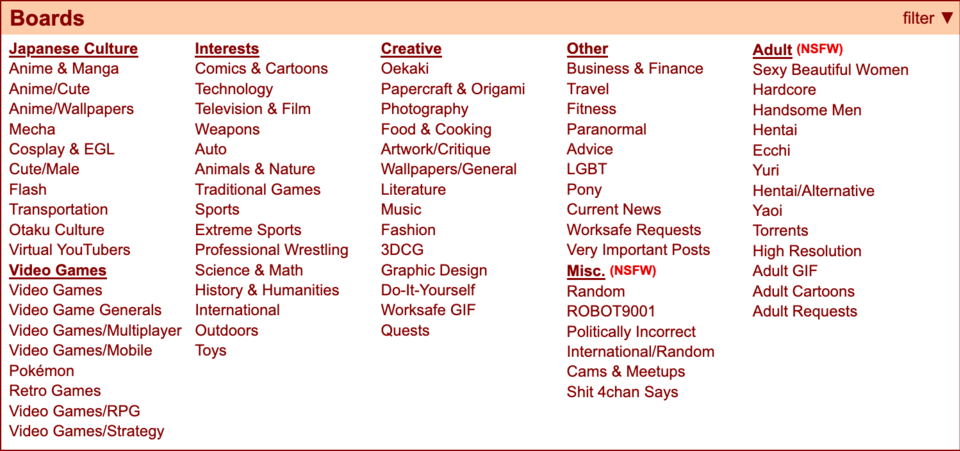
4chan’s anonymous image boards breed urban legends with remarkable efficiency. The site’s “anything goes” culture and rapid content turnover create perfect conditions for myth creation. Notable examples include:
- Jeff the Killer – Born from a distorted selfie
- Slender Man – Created for a Photoshop contest
- The Backrooms – Spawned from a single unsettling image
3. YouTube: Binge-Worthy Series
YouTube’s algorithm inadvertently feeds the spread of digital folklore. Content creators package urban legends into binge-worthy series, transforming simple stories into elaborate narratives. The Momo Challenge gained particular momentum through YouTube’s recommendation system, sparking international panic despite lacking concrete evidence.
4. TikTok: Real-Time Evolution
TikTok’s short-form video format has changed how urban legends develop. The platform’s duet and stitch features allow users to build upon existing narratives in real-time. Recent examples showcase this dynamic:
- Users claiming to find mysterious coordinates
- “Found footage” style horror clips
- Collaborative storytelling through chain videos
With the right strategies, such as those outlined in this guide on how to maximize your TikTok views and visibility in 2025, users can significantly amplify their reach and influence on the platform.
5. The Self-Sustaining Ecosystem
These platforms intersect to create a self-sustaining ecosystem where myths multiply and mutate. Reddit threads inspire YouTube documentaries, which spawn TikTok investigations, feeding back into 4chan discussions – each platform adding its unique flavor to the digital folklore mix.
Why We Want to Believe: The Psychology Behind Myth-Making Online
Our brains are wired to find patterns, seek meaning, and share stories that validate our deepest fears and desires. Digital myths tap into these psychological triggers with uncanny precision.
Research shows we’re 13% more likely to believe stories that align with our existing worldview, creating an echo chamber effect that reinforces urban legends. This cognitive bias, known as confirmation bias, explains why debunking rarely kills a compelling digital myth.
The psychology of digital trust
The psychology of digital trust follows three key patterns:
- Emotional Resonance: Stories that trigger strong emotions like fear, wonder, or moral outrage spread 24% faster than neutral content
- Social Proof: When we see others believing or sharing a story, our skepticism naturally decreases
- Pattern Recognition: Our brains automatically fill in gaps in mysterious stories, making partial information feel more complete than it is
Building trust through storytelling
Digital storytelling builds trust through specific psychological anchors:
“Screenshots or it didn’t happen” isn’t just a meme—it’s how our brains process digital truth. Visual “evidence,” even when fabricated, creates powerful psychological validation.
The shared emotional experience of encountering these stories creates lasting neural imprints. Fear responses triggered by stories like Jeff the Killer or The Russian Sleep Experiment activate our fight-or-flight response, making the legends feel viscerally real.
Creating narratives to understand the unknown
Our collective need to understand the inexplicable drives us to embrace digital myths. When faced with mysterious phenomena—whether it’s strange YouTube algorithms or unexplained internet outages—we instinctively craft narratives to make sense of the chaos.
The digital age hasn’t changed our fundamental need for mythmaking—it’s simply given us new ways to fulfill our ancient desire to gather around virtual campfires and share stories that help us process our deepest anxieties.
From Myth to Meme to Memory: The Enduring Nature of Internet Folklore
Internet legends don’t just fade away—they transform. These digital myths shape-shift across platforms, evolving from whispered forum posts into full-blown cultural phenomena that haunt our collective online consciousness.
Slender Man: From Forum to Cultural Icon
Take Slender Man, born in 2009 from a simple Photoshop contest. This suited, faceless figure spawned countless stories, games, and even tragic real-world incidents. The legend grew legs, walked off its original forum, and became deeply woven into internet culture.

Polybius: An Old Myth Resurrected
The Polybius arcade game myth predates widespread internet use, yet found new life online. This supposedly government-created cabinet that caused players to go mad never existed—but its story perfectly captures Cold War paranoia and gaming culture fears. Decades later, people still search for traces of this phantom arcade game.
The Backrooms: A Modern Legend in the Making
Recent additions like The Backrooms showcase how modern legends spread:
- Started as a single unsettling photo
- Expanded through collaborative storytelling
- Spawned multiple games and video series
- Created its own complex mythology

Momo Challenge: The Viral Nature of Digital Folklore
The Momo Challenge demonstrates the viral velocity of digital folklore. A sculpture photo morphed into a supposed deadly game targeting children. Despite quick debunking, the story persisted through news cycles and parental warnings.
Why Internet Legends Endure
These legends endure because they tap into timeless human fears while adapting to contemporary anxieties. Each retelling adds new layers, keeping stories relevant across generations of internet users. Like digital campfire tales, they’re passed down through retweets, remixes, and reimaginings—ensuring their place in our online mythology.